Berlin's cabaret did not survive because anyone protected it. It survived because the city kept needing a room small enough to say the thing out loud, under the Kaiser, under the censors, on both sides of a wall that ran through the middle of the audience, and small rooms are cheap to keep and quick to re-script by Friday. A dozen of them are still working in 2026, and none of them is a museum.
This is the working map, grouped the way you would actually plan an evening rather than the way a history book would order it. The political-cabaret houses perform in German, fast and local, and they will not slow down for you, which decides most of the itinerary. The variety, song and burlesque rooms are the ones that travel.
The Cold War rivalry that is still two working theatres
The historical centre of all this is Kabarett-Theater Distel, on Friedrichstraße in Mitte, founded in East Berlin in 1953 and read line by line by censors for decades afterwards. It is now the largest cabaret ensemble in Germany and it behaves like one, running three to six productions in rotation, so the bill you see depends entirely on which night you walk in. Seats go for €24 to €39 by band, and if your evening is loose there is a standing deal worth planning around: €18 flat at the box office roughly an hour before curtain. School and youth groups of ten or more pay €17 a head Monday to Thursday or €19 Friday to Sunday, booked by phone on 030 204 47 04 rather than through the website. Performances are in German only, and that matters more than it sounds. The material is built from this month's German politics, and the laugh lands half a second after a name you may never have heard.
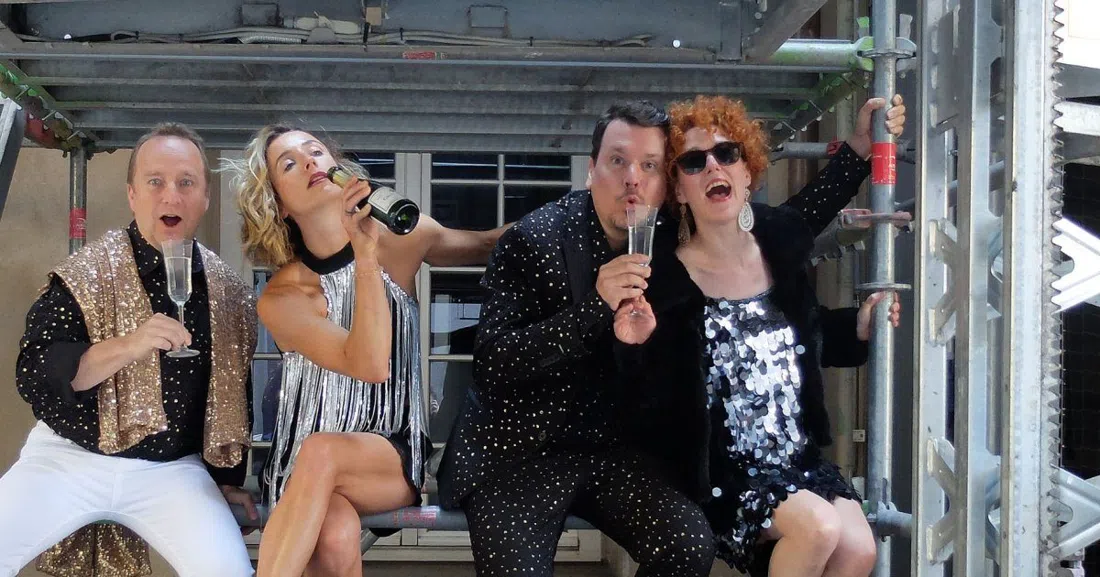
A few U-Bahn stops west, Die Stachelschweine still works out of the Europa-Center in Charlottenburg, founded in 1949 as West Berlin's answer to exactly that kind of theatre, with its 75-year anniversary programme running in November 2026. Tickets start at €32 to €34. The box office is open Monday to Saturday, 14:00 to 20:00, and groups are handled by humans on 030 261 47 95 or at [email protected]. German only, again. The arithmetic of it is still strange: two rival satirical ensembles, set up to needle each other across a divided city, both selling tickets twenty minutes apart on the same transport network.
Two tents under one management
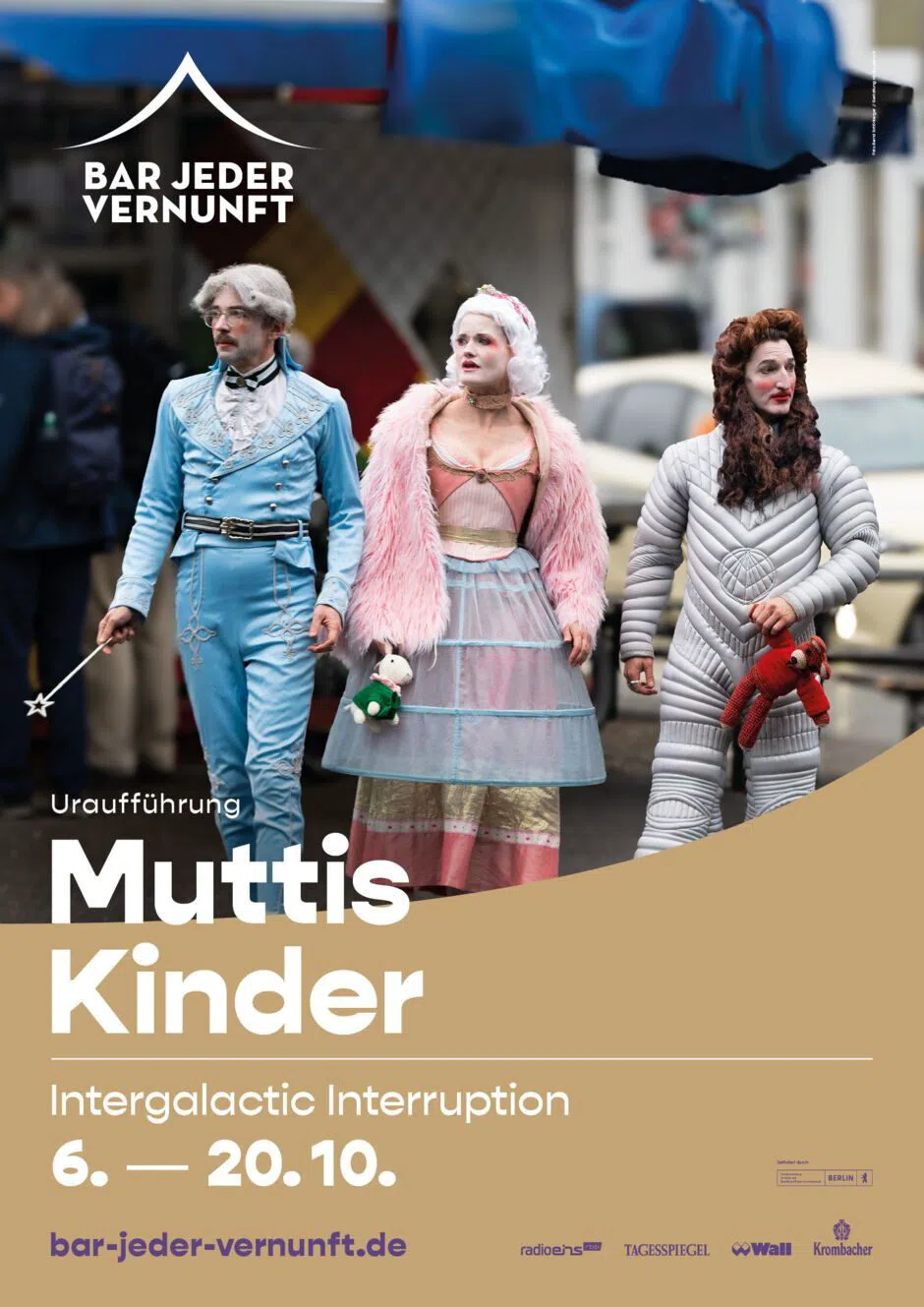
Bar jeder Vernunft, off Schaperstraße in Wilmersdorf, is the single most atmospheric room in this article and I would not argue the point with anyone. It is a mirrored tent, velvet, small round tables, candle-level lighting, and the programme leans on chanson and song-driven cabaret, which means it works whether or not you follow every line. It is also programmed solid through March 2027, so book it first and plan the evening around it rather than slotting it in on arrival. Reckon on roughly €30 to €55 a seat, with student tickets from €12.50 and a student or pupil package at €14 of food on top of tickets from €12.50. Groups of fifteen and up get discounted tickets and an actual planner to talk to, at [email protected]. The tables are close together and made for two; a party of ten will feel like weather in that room.
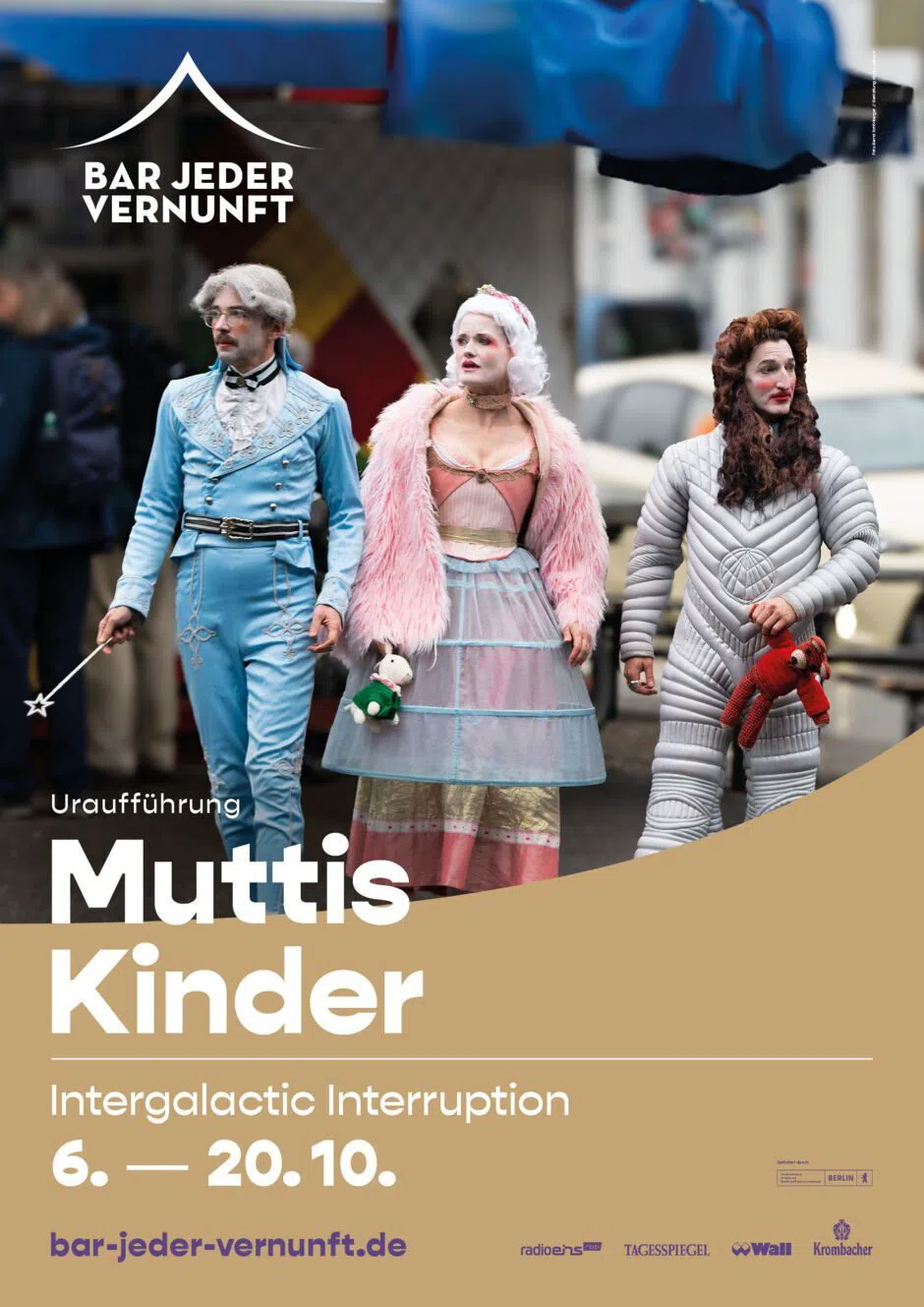
TIPI am Kanzleramt in Tiergarten is the bigger, glossier sister house under the same management, pitched in parkland beside the Chancellery, which makes it the only cabaret tent in Europe with a head of government as a neighbour. The bill runs to chanson and music-comedy, with Katharine Mehrling and Vladimir Kornéev as regulars, and the Cabaret musical returns in summer. Seats are roughly €30 to €60, students and apprentices from €12.50, and the group desk goes up to a hundred people, with Christmas-party formats if that is what you need. The two tents share an office but they are not interchangeable. Pick by what is on the bill that week, and if you only have one night in a tent, take the smaller one for atmosphere and the larger one for production value.
Where new Berlin cabaret voices surface
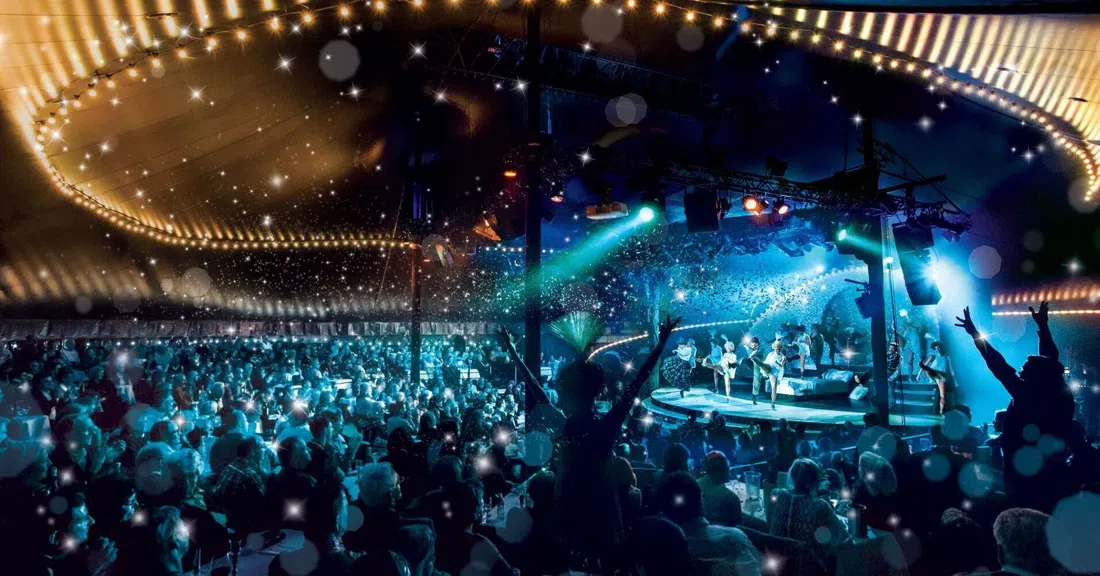
BKA Theater on Mehringdamm in Kreuzberg is the living edge of the tradition rather than its archive. The Berliner Kabarett Anstalt mixes one-person satire with weekly Monday improv (Chaos Royal) and drag bills such as The Three Drag Tenors, and new acts turn up here before anybody else books them. Tickets are roughly €20 to €35, the honest price of a room that takes risks. Block bookings and venue hire go through [email protected] or 030 20 22 007. If you are travelling without German, the drag and music nights carry; the solo satire shows largely do not.
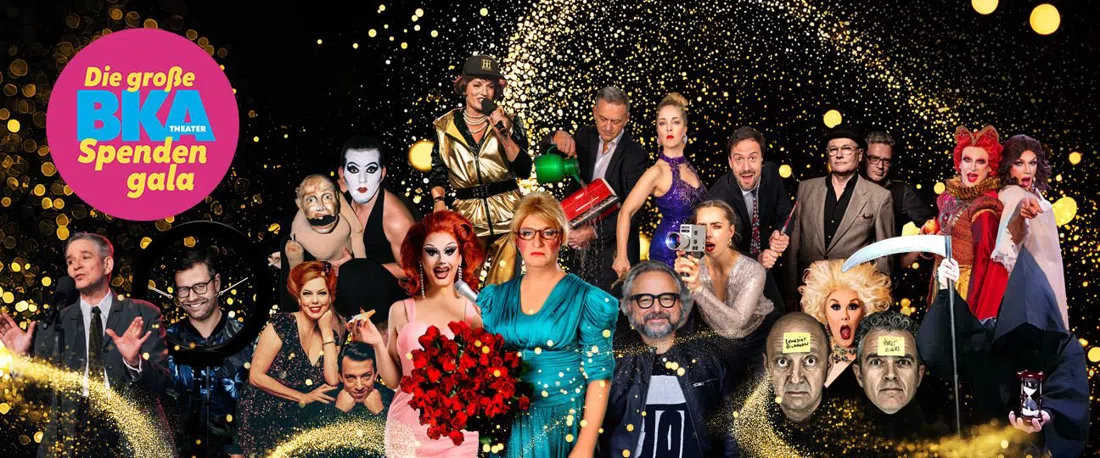
Mehringhof-Theater, a few minutes away in a squat-descended Kreuzberg courtyard, is the genuinely local option: satire with songs and slides, the Horst Evers and Jess Jochimsen and Lennart Schilgen end of the form, at roughly €18 to €28. This is what Berlin cabaret looks like when nobody in the room is performing for tourists. It is a small house, so book ahead by phone or email instead of turning up hopeful, and accept that it is German only and unapologetic about it.

The guest stage for the touring satirists
Die Wühlmäuse am Theo sits out by Theodor-Heuss-Platz in Westend, further than first-time visitors expect and worth the ride. Dieter Hallervorden opened the house in 1960 and it has settled into a different job since, as the city's main guest stage for touring satirists, with Dieter Nuhr, Mathias Richling and Michael Mittermeier among the names that cycle through. Seats run roughly €25 to €45, group discounts are available, and the ticket line (030 30 67 30 11) is staffed daily from 12:00 to 19:00. Individual dates here do get postponed, and you will have travelled twenty-five minutes to find out, so check the site the day before. German only.
Burlesque, from six rows to a cocktail bar
Kleine Nachtrevue in Schöneberg is the closest surviving thing to a Weimar erotic revue, and it is tiny: six short rows, ninety minutes, Fridays and Saturdays at 21:00. The show is cheeky, acrobatic and occasionally operatic burlesque and boylesque, and it is explicitly adult. If risqué is not what you want on a Friday, go somewhere else on this list; if it is, book days ahead. Reservations are by name through the website form and collected at the door, seats are €33 to €43 depending on row, and the room is cash only, which catches people out. Two to four people is the right size. A large party does not fit and will not be welcome.
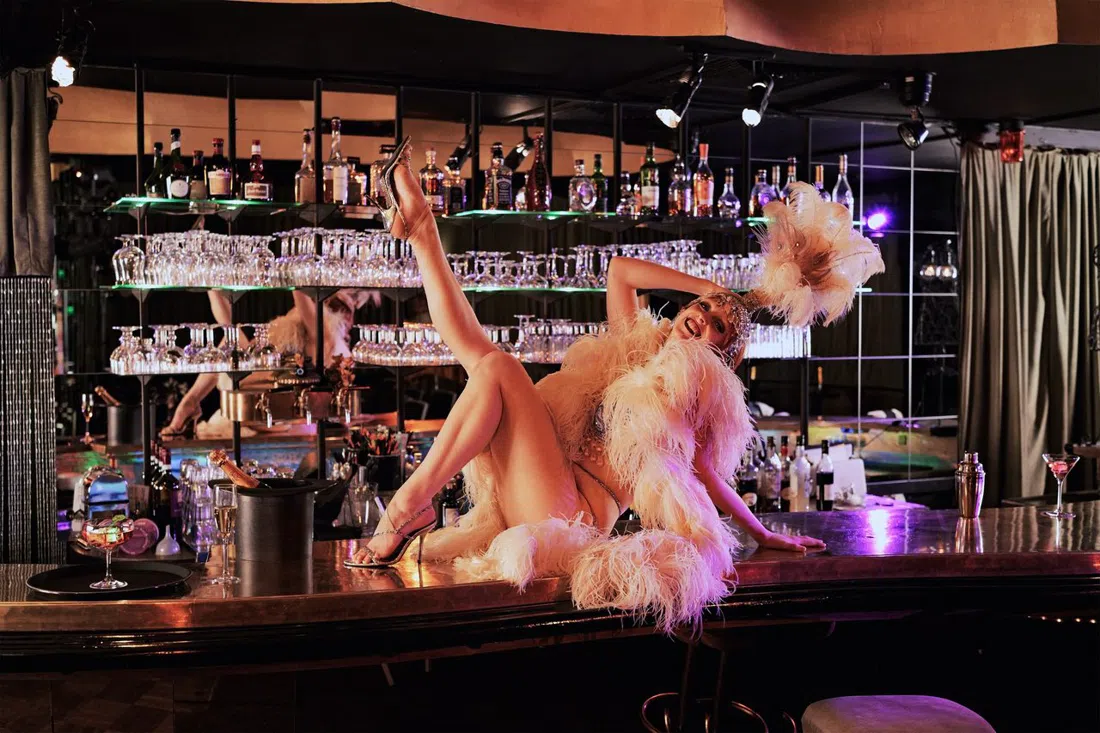
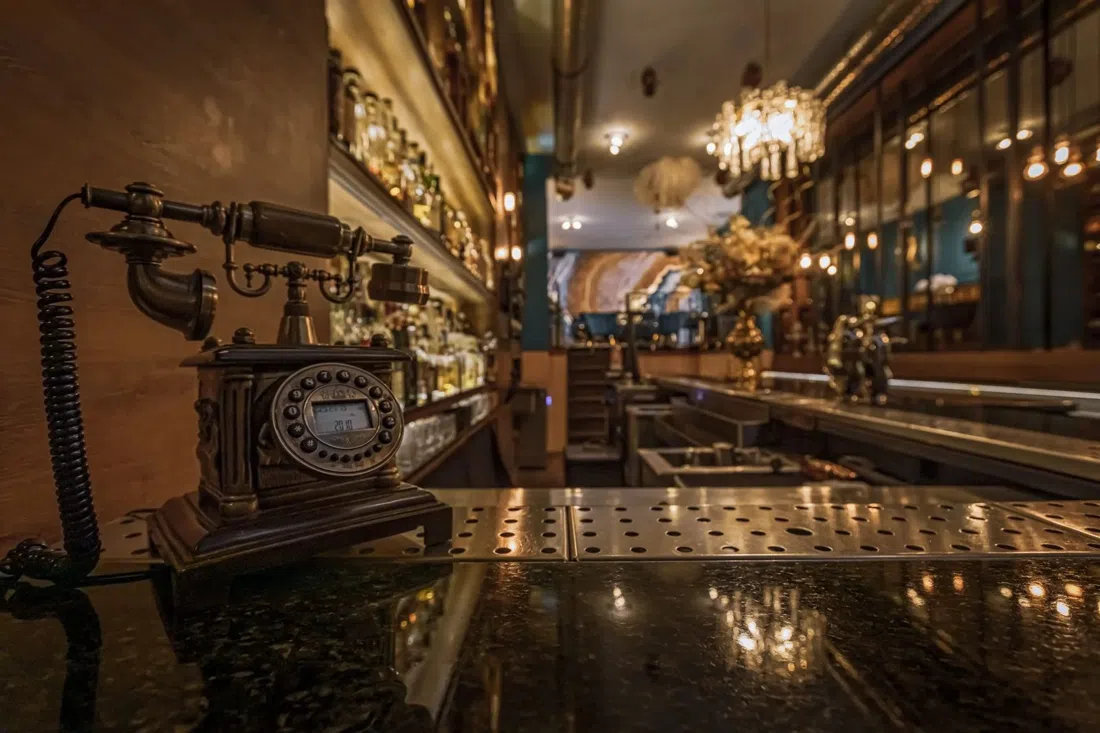
Prinzipal Kreuzberg on Oranienstraße answers a different question: burlesque and drag held at arm's length, with a serious house-infusion cocktail list and no obligation to sit still for two hours. It is open Wednesday or Thursday through Sunday from 20:00 and runs late on Fridays. Drinks are bar prices and ticketed show nights are roughly €15 to €30. Table reservations are encouraged, and the whole venue can be hired privately on any day, which makes it the sane answer for a birthday that wants the 1920s mood without a seated programme.
A new cellar and a real Weimar ballroom
Circus Potoo, a cellar room in Prenzlauer Berg, opened on 17 September 2026 in memory of Zum Starken August, the much-loved burlesque bar that closed, so use the new name when you ask anyone for directions. It is a non-profit association running circus, cabaret, burlesque, drag and comedy by night and training and workshops by day, at roughly €10 to €25. The door is informal, which is the charm and the catch: seating is unreserved and limited, so it is fine for a group at that price as long as the group turns up early rather than fashionably.
Ballhaus Berlin on Chausseestraße in Mitte has no resident company at all. It is a genuine Weimar-era ballroom that promoters rent for Weimar-flavoured cabaret and burlesque nights: Cabaret Elysion, The Velvet Creepers, and a Night of Burlesque and Polesque in October 2026. Individual show tickets start at about €29, though hall hire and large table bookings are the building's actual core business, which makes it a strong fit for a party of twelve who want a floor and a band. The house website is badly out of date, and trusting it is how people end up at a locked door. Check berlin.de or the promoter's own page for live dates before you commit.

The big room at the other end of the scale
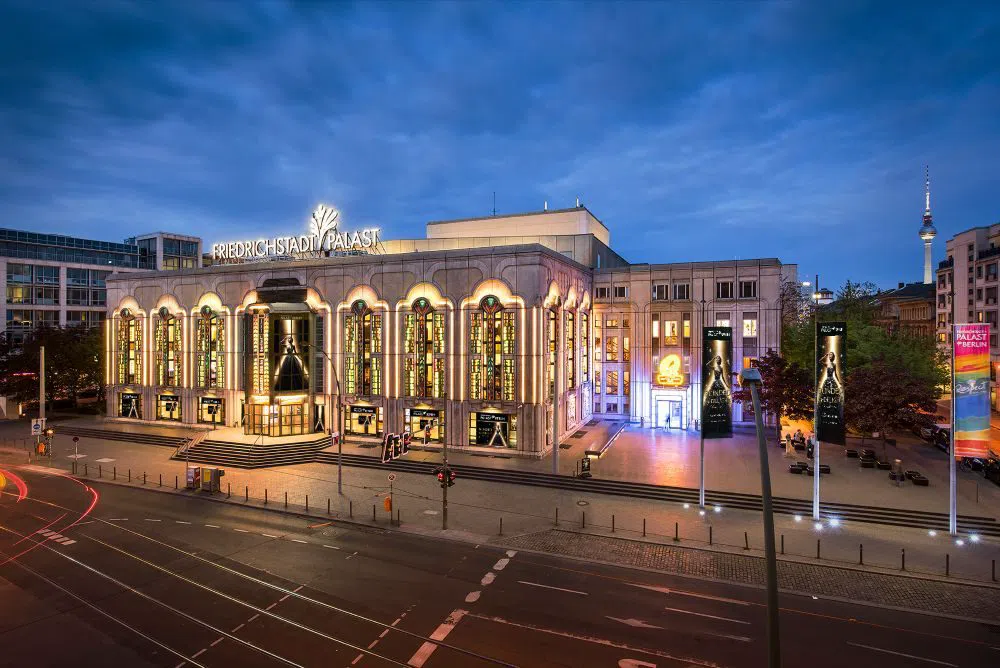
Friedrichstadt-Palast in Mitte belongs in this piece as contrast rather than as cabaret. It is the grand-revue end of the same Berlin lineage, BLINDED by DELIGHT has passed 500,000 guests and is booked through July 2027, and the ticket ladder reflects it, from about €64 up to €115 and beyond by category. There is a full group and B2B sales desk, the theatre rents itself out, and the English-language ticket line is +49 30 2326 2327. It delivers precision, scale and spectacle, with no satire, no risk and nobody talking back, which is precisely the thing the small stages were invented to do. It is also the one room here that needs no German whatsoever, so it earns its place on a mixed-language trip.
What to settle before you book
Language first. The Distel, the Stachelschweine, the Wühlmäuse and the Mehringhof-Theater are German-only and fast; book them if you follow the language, or if you are travelling with someone who does and are happy to watch a room laugh. The two tents, the BKA, the burlesque rooms, Circus Potoo and the Palast all work on music, body and timing.
Group size second, because it changes the answer more than price does. Fifteen or more people belong at TIPI am Kanzleramt, Ballhaus Berlin or the Palast, all of which have proper group desks. A couple belongs at Bar jeder Vernunft or Kleine Nachtrevue. Four friends who want to drink and watch belong at Prinzipal Kreuzberg or Circus Potoo. Nobody should take a party of twelve into a six-row burlesque room. For wider planning around the shows, the Berlin guide covers the daytime half of the trip.
Practical notes
Most curtains are at 20:00, with Kleine Nachtrevue at 21:00 and the Prinzipal running from 20:00 into the small hours on Fridays. Everything here sits on the U-Bahn or S-Bahn, with a tram useful for Prenzlauer Berg; a single AB fare is low single-figure euros and a day ticket pays for itself on the third ride. The U-Bahn runs through the night on Fridays and Saturdays, and night buses cover the rest of the week after roughly half past midnight, so a late burlesque show is not a taxi sentence.
Carry cash. Kleine Nachtrevue takes nothing else, and several of the smaller bars and door desks are card-indifferent at best; €100 in notes per person covers tickets and drinks almost anywhere on this list. A small-stage night with drinks lands around €40 to €60 a head, the tents around €60 to €90, and the Palast north of €100 before you have bought anything. Book the tents three to four weeks out, Kleine Nachtrevue at least several days out, and the Distel on the night if you want the €18 seat. For somewhere to sleep within a short ride of Mitte, Kreuzberg and Charlottenburg, start with Berlin hotel search.