At two in the morning on Hermannstrasse, the loudest thing is not the bass leaking out of the kiosk door. It is the bag going past it: forty or fifty bottles in blue polypropylene, carried at a tilt by someone who started work when the bars filled up. Berlin puts a price on its empties, and that price has built a second economy running on the same streets as the first, at the same hours, often out of the same hands.
You can spend a weekend here without noticing it. Or you can spend a weekend following it, which is the better trip: it takes you through kiosks, breweries, a market hall, a Sunday flea market, a decommissioned airfield and finally the departures hall, and it explains more about how the city works than any wall-and-nightclub itinerary. If you want the wider city first, the Berlin guide covers the standard ground; this piece follows one bottle.
What the deposit actually is
Pfand is a deposit, not a tax. You pay it at the till, it is itemised on the receipt, and you get every cent back when the container comes home. The amounts are small and worth memorising, because they shape behaviour: roughly €0.08 on a reusable glass beer bottle, €0.25 on a single-use can or plastic bottle, and about €3.10 on the plastic crate itself.
The split that matters is between Mehrweg and Einweg, reusable and single-use. A Mehrweg bottle is washed and refilled up to fifty times and stays inside a regional circuit; an Einweg can is crushed and recycled. That is why the eight-cent bottle is cheap to deposit and the twenty-five-cent can is expensive: the higher figure exists to make single-use hurt.
To see the machinery rather than the theory, walk into a Getränke Hoffmann (branches in most districts) and stand near the Leergut counter for ten minutes. This is a drinks market, where crates of twenty half-litres run roughly €14–20 plus the crate deposit, and the returns counter is where visitors meet the rules the hard way. Shops only take back the Mehrweg brands they actually stock, and only in what the law calls household quantities. Turn up with a sack of forty mixed bottles from four different breweries and you will be refused, politely and completely. Supermarket reverse-vending machines are more forgiving with cans and PET, and they pay out in a printed voucher you redeem at the till, not in coins.
This is also why collectors exist as a profession rather than a hobby. Sorting hundreds of bottles by brand and hauling them to the right shop in the right quantity is work, and the people doing it are overwhelmingly pensioners on thin pensions, migrants without other income, and people sleeping rough. None of it is folklore. It is a visible, unembarrassed measure of what German retirement pays, and Berlin has stopped pretending otherwise.
Where a Berlin bottle starts
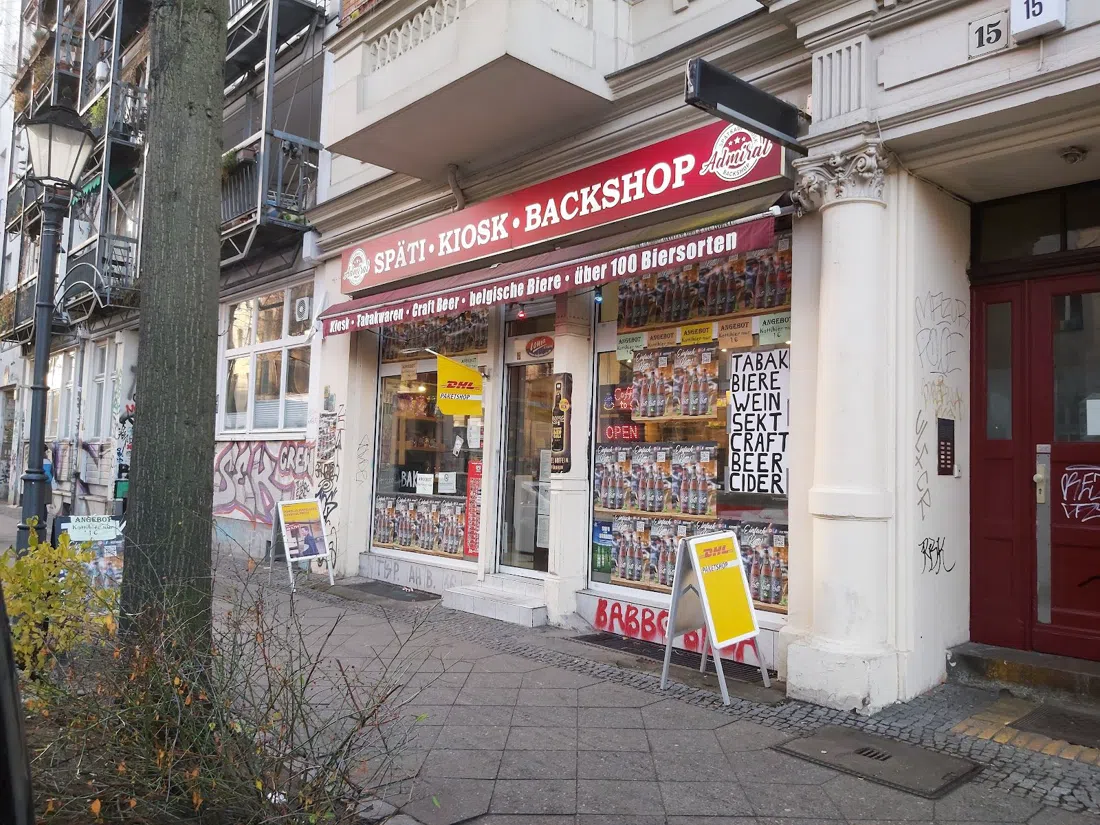
A Späti is a late-shop: cold beer, cigarettes, chocolate, a fridge that never closes, and a licensing status the city has argued about for twenty years. Most of them trade on Sundays when supermarkets cannot, which makes them the practical supply line of the whole circuit.
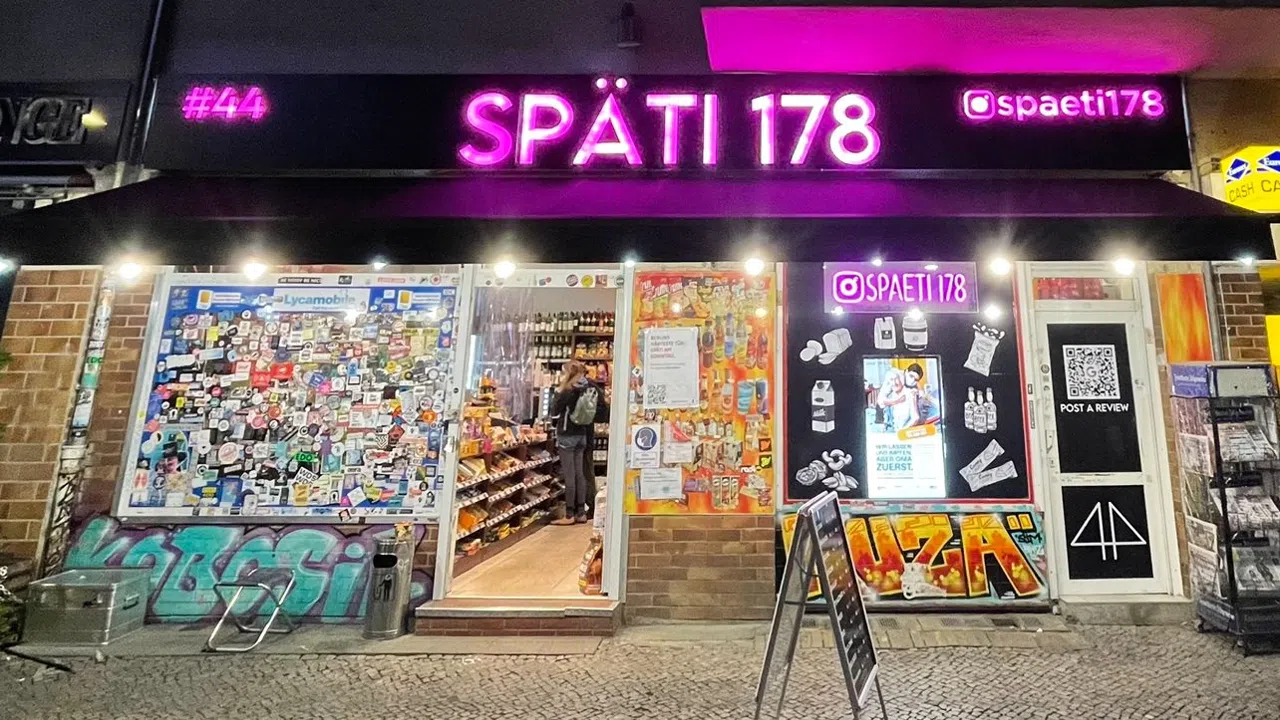
Spätkauf 178 (Neukölln, on Hermannstrasse) is the best-known of the so-called techno-Spätis. Owner Güney Aksünger keeps the bass running all night, and it was still trading around the clock through 2026. There is no door policy of any kind: walk up, buy a beer at €1.50–3 plus deposit, drink it standing on the pavement. Groups are fine, with one real constraint: the street above is residential, so after 22:00 the volume of your conversation is the only rule anyone enforces, and neighbours do enforce it. None of these places is permanent, which is worth knowing. The Späti further up the road at Hermannstrasse 164 lost its lease on 30 April 2026 and is gone.
Admirals Kiosk (Kreuzberg, by the Admiralbrücke) has been at the same counter for more than twenty years and is counter service only, with no seating and no room to linger. The venue is the bridge. Buy at the window, walk thirty metres, sit on the ironwork over the canal with everyone else. On a warm evening this is the clearest place in Berlin to watch a bottle complete the loop: fridge, bridge, collector's bag, all inside an hour, because collectors work the bridge continuously from dusk. Beer is €1.50–3, soft drinks €2–3. Groups work here only because the bridge absorbs them; the shop itself cannot hold four people.
The breweries that keep their bottles inside the city
Mehrweg only makes economic sense over short distances, which is why Berlin's independent breweries show it most plainly.
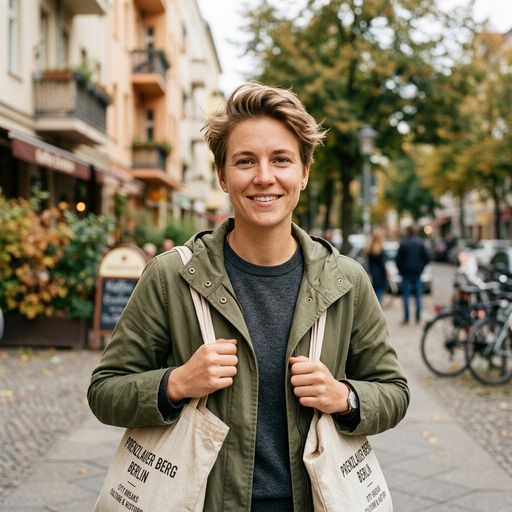
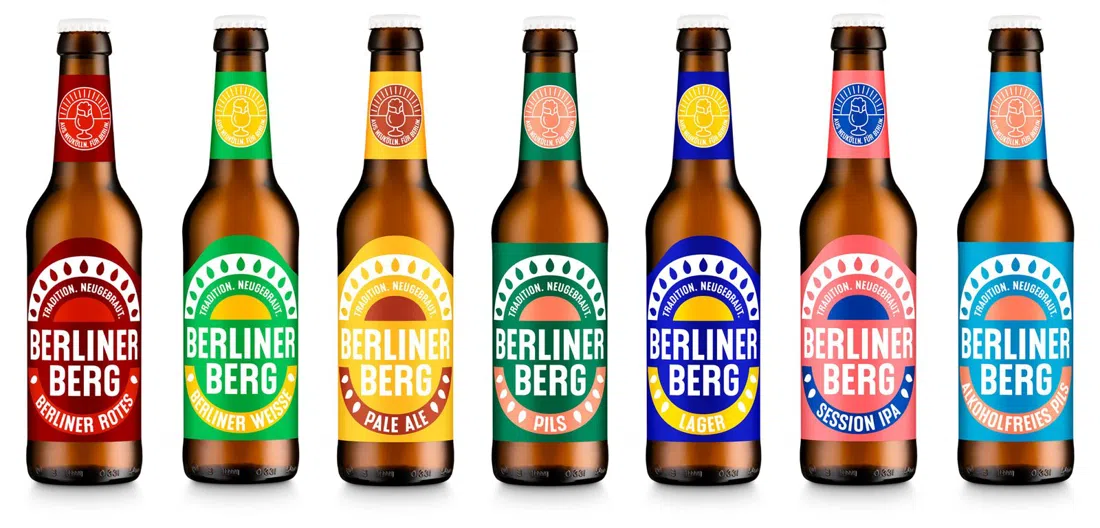
Berliner Berg Brauerei (Neukölln) sells its beer only within fifty kilometres of its own chimney. That single rule means its returnable bottles circulate inside Berlin rather than leaving it, and the crates you see stacked behind a Späti are frequently its own coming back. Guided tours with a tasting are bookable at roughly €20–25 a head, and the beer garden takes large groups at €4.50–6 a beer. It is seasonal, though, running roughly April to September, with thin winter hours (Fridays 14:00–17:00 only). Confirm before you send eight people.
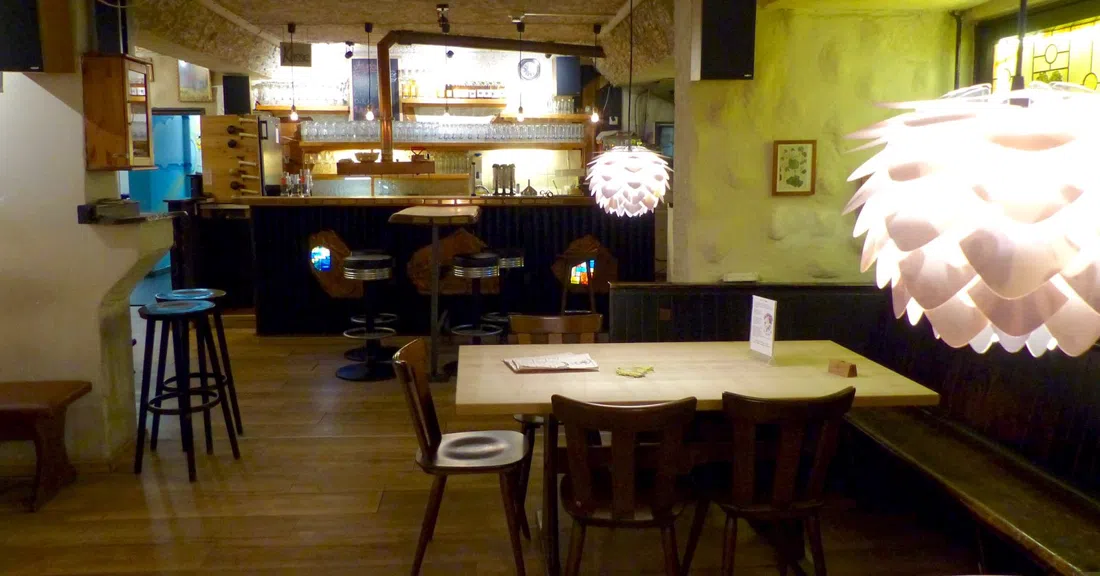
Eschenbräu (Wedding) feels older than everything around it: a big courtyard under trees, no fuss, first-come-first-served, and a house distillery attached, with tastings on the 2026 books. Beer is €3.50–4.50, among the cheapest fresh-brewed in the city, and you may bring your own food, which makes it the best-value group evening on this list. Every beer is sold to take away too, in cans or rented casks, so here the deposit sits on the vessel rather than the bottle, the oldest version of the idea.
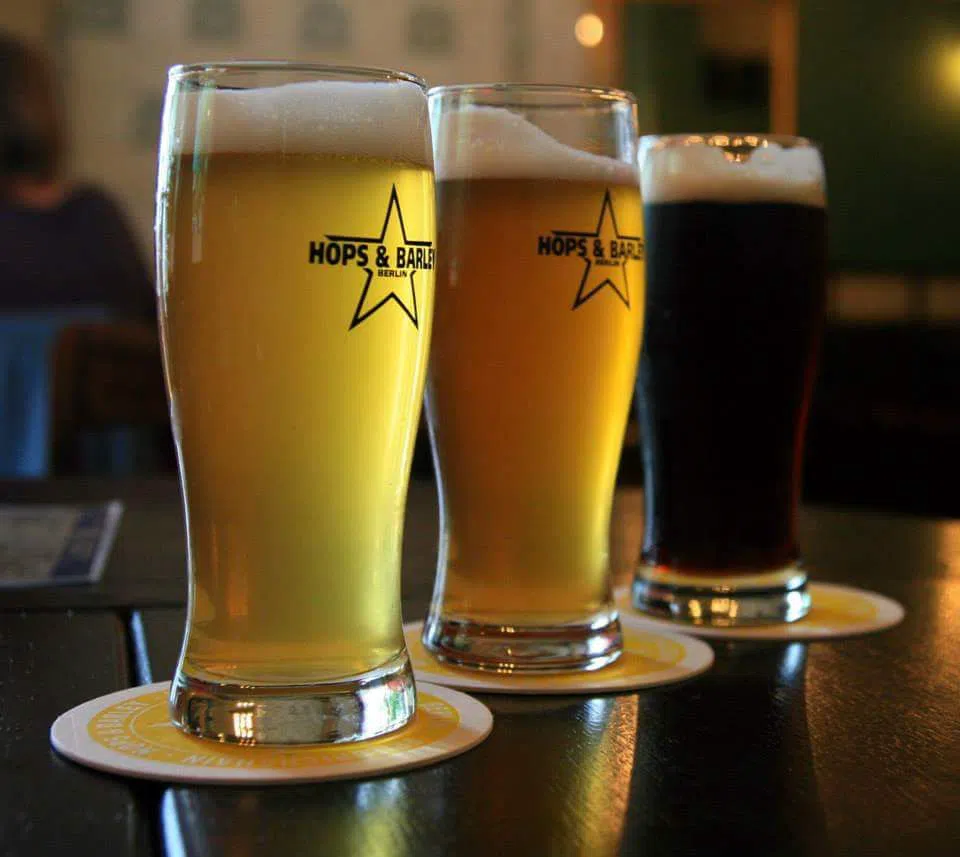
Hops & Barley (Friedrichshain) has been brewing unfiltered, unpasteurised beer since 2008 in a former butcher's shop, and the surviving wall tiling is the most photographed detail in Berlin's brewpub scene. The format is fixed: there are explicitly no reservations, it fills by 19:00 most nights, and you will stand. Two to four people works; a group of ten does not. Doors are Mon–Thu from 17:00, Fri from 16:00, weekends from 14:00. Beer runs €3.50–4.50.
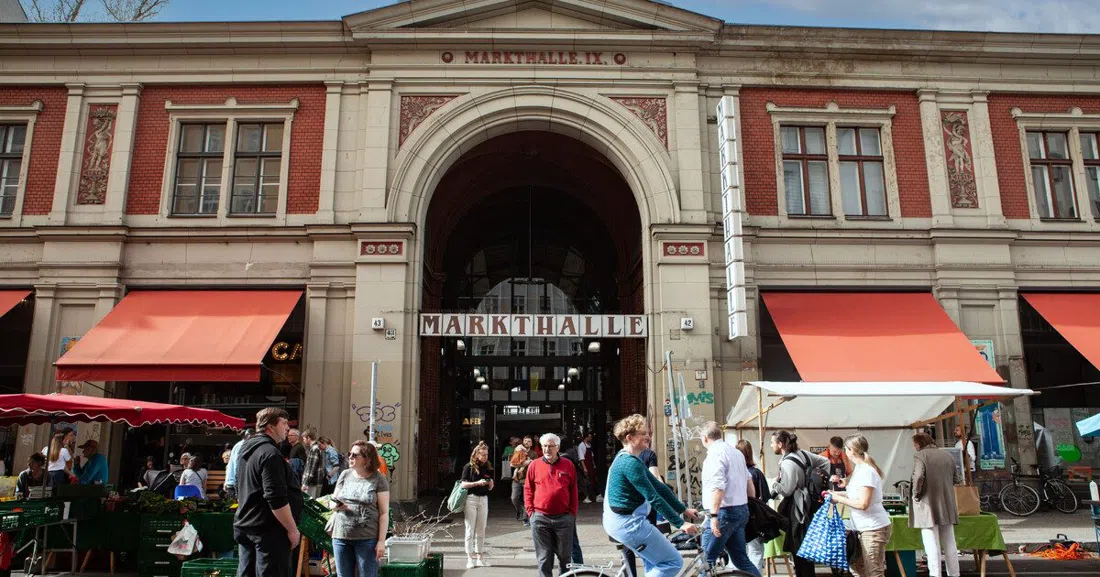
Heidenpeters (Kreuzberg, inside Markthalle Neun) is a standing-room bar built into a working market hall, one of the founding names of the city's craft scene, at €4–6 a beer. It is also the easiest place to watch Mehrweg crates move at trade volume rather than street volume. Check the hall's market days before committing a group: the hall's rhythm sets the bar's, and on a quiet weekday it is a counter rather than a night out.
BRLO Brwhouse (Kreuzberg, by Gleisdreieck) is the polished end of the spectrum and a useful contrast: stacked container architecture, a large beer garden, an indoor restaurant, quiz nights, screenings and private bookings, with an events calendar running through autumn 2026. Beer is €5–7 and mains €15–25. The garden serves in deposit-bearing cups, the same principle as the bottle applied to a plastic beaker, and a good place to explain the system to anyone who has just landed.

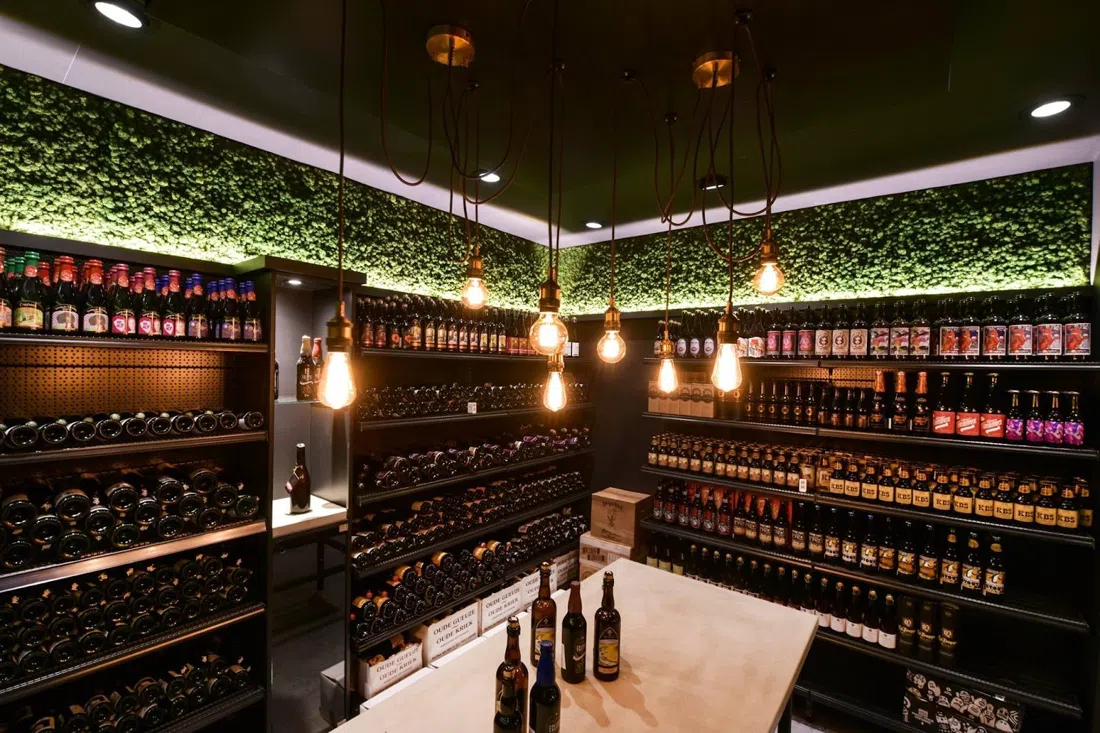
Biererei (Prenzlauer Berg) is the refill counterpart, a small bottle shop with a bar attached, comfortable for two to six people and genuinely unsuitable for a party. Bottles run €4–8 and a growler fill is roughly €12–20, plus a deposit on the jug you carry out and bring back. That transaction is how the German deposit worked for a century before anyone built a reverse-vending machine.
Where the empties pile up fastest
Flohmarkt am Mauerpark (Prenzlauer Berg) has run every Sunday from 10:00 to 18:00 since 2004 and draws up to 40,000 people on a good day. Entry is free, stalls start at €1, and it is the densest place in the city to watch the circuit run at speed, because that many drinkers generate empties faster than anyone can carry them. Collectors move through the slope above the market in near-constant rotation. With a group, agree a meeting point before you go in; phone signal at the top of the park collapses under the crowd.
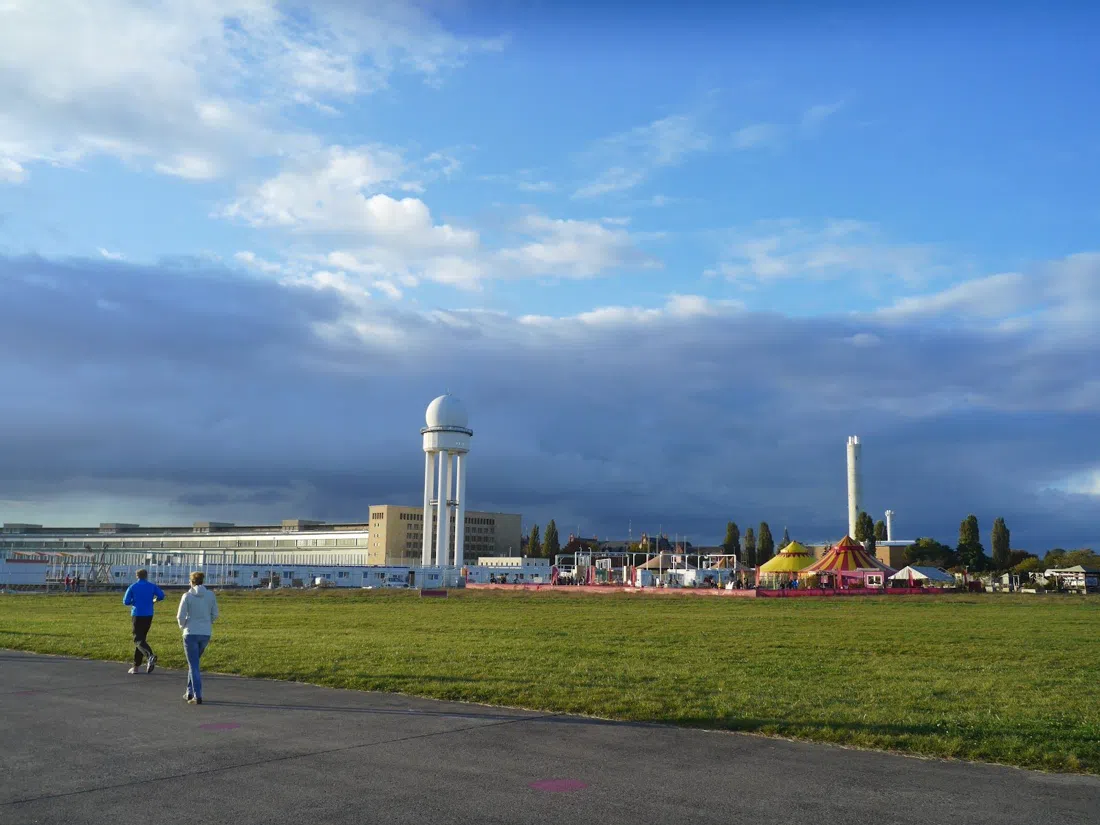
Tempelhofer Feld (between Tempelhof and Neukölln) is the old airfield, kept public by a 2014 referendum and still fully open in 2026 despite continuing argument about building on its edges. It is free and unticketed, and the marked barbecue zones are the obvious group spot. It is also where the city's unwritten etiquette is most legible: at sunset you will see bottles lined up neatly beside the bins, never dropped in them. That is not litter. People are leaving the deposit where it can be collected rather than forcing someone to dig for it, and copying them is the easiest courtesy a visitor can learn here.
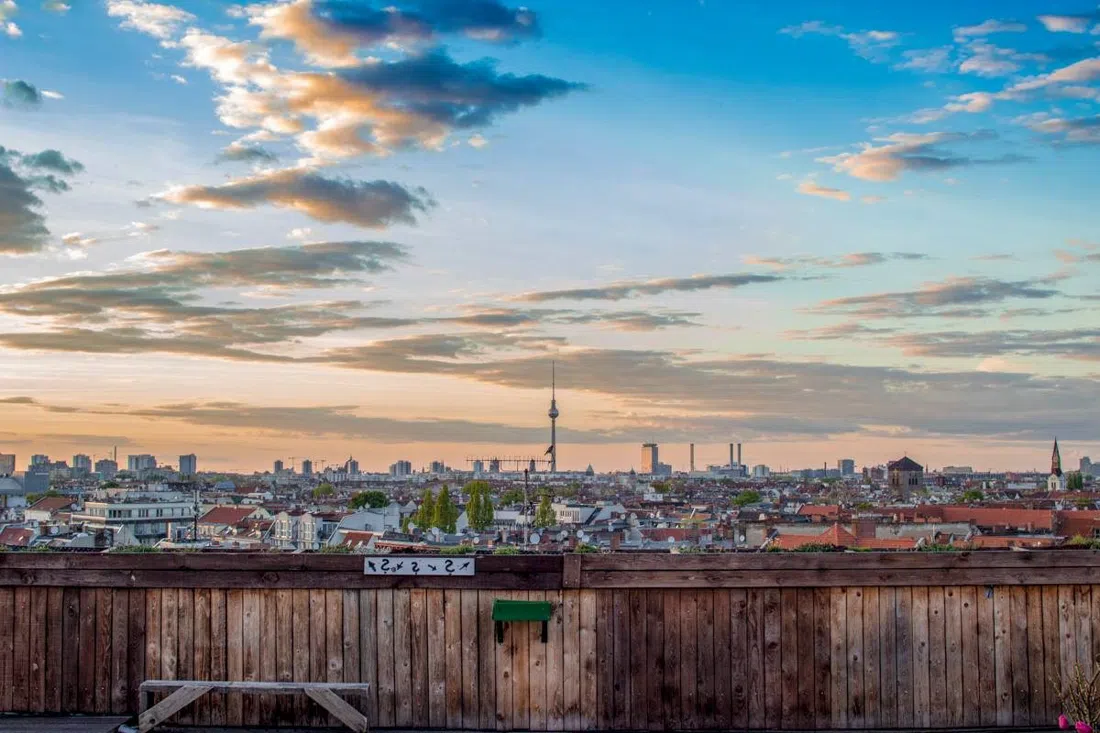
Klunkerkranich (Neukölln) sits on the roof of a shopping centre car park, reached by a lift from the library and post-office entrance rather than any obvious bar door. Main season runs 16 April to the end of September, with patchy weekend opening in the cold months; expect a small entry fee on event nights and drinks at €5–9. Under-16s are admitted only with a parent, queues are real on busy nights, and turning up twenty-handed without warning will not work: email [email protected] for groups. The deposit cups up here end their night in exactly the same circuit as a Späti bottle, several floors below.
Handing the deposit on
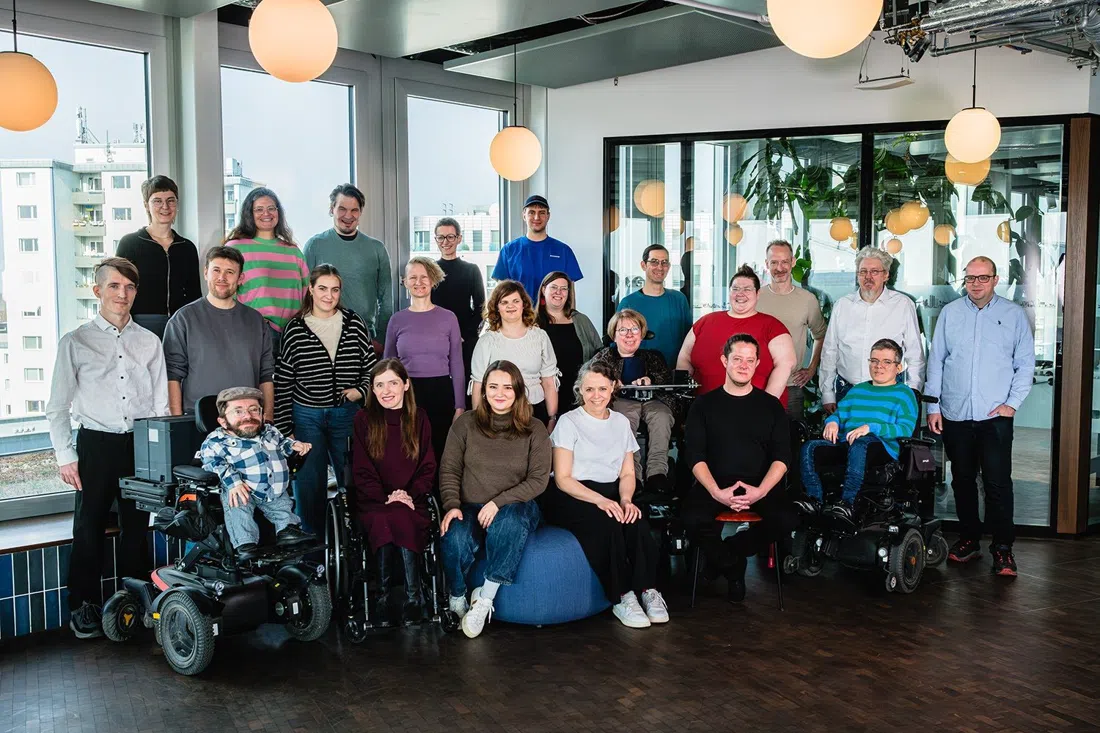
PFANDGEBEN is an app rather than a venue, and the most concrete way for a visitor to take part rather than spectate. Begun as a Berlin student project in 2011 and run since 2016 by the disability-rights organisation Sozialhelden e.V., it lets you post that you have a bag of empties; a registered collector accepts and comes to you. Offers are taken up in about seventeen minutes on average, and a typical bag is worth €2–8. It costs you nothing but the deposit you were going to reclaim anyway, and it includes an SMS route so collectors without a smartphone are not shut out, which tells you something about who built it.
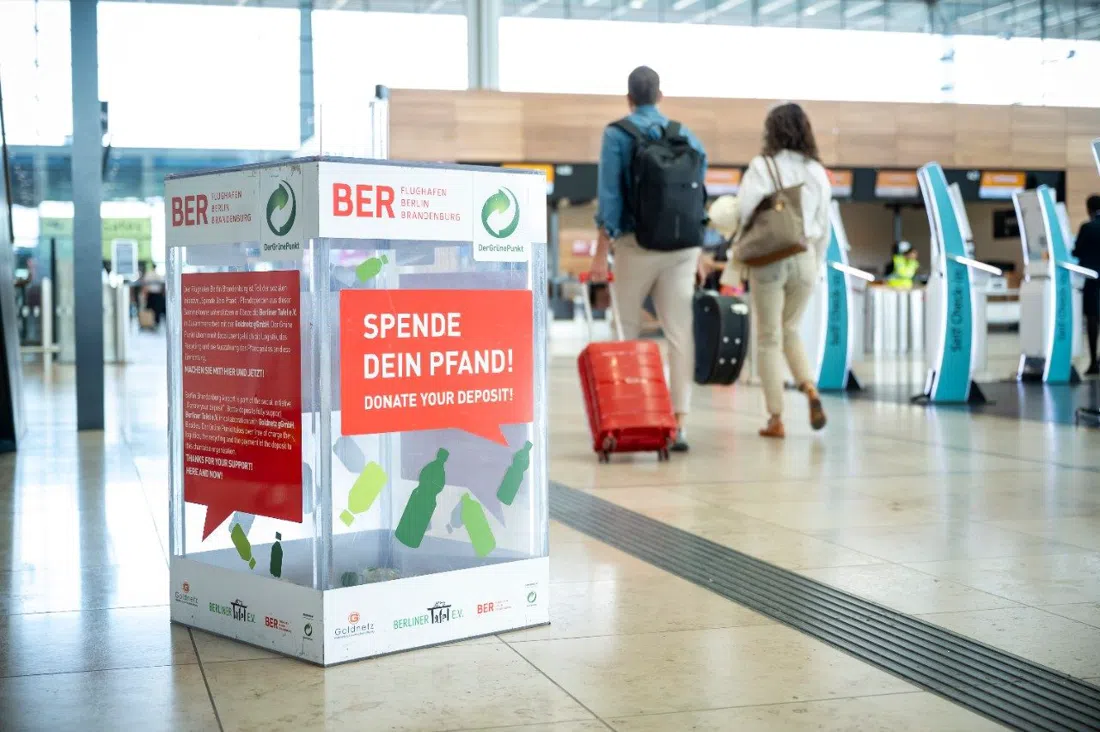
The last stop is the airport. Spende dein Pfand (BER Airport) has run since October 2020 with Der Grüne Punkt, Goldnetz gGmbH and Berliner Tafel: unstaffed donation bins in the public terminal area, free for anyone to use. You drop the final bottle of the trip, forfeit €0.08 or €0.25, and the money funds food aid and employment projects in the city you are leaving. It is a quiet, unsentimental piece of design, and it solves the traveller's genuine problem of a deposit you cannot realistically reclaim before a flight.
The same idea without the bottle
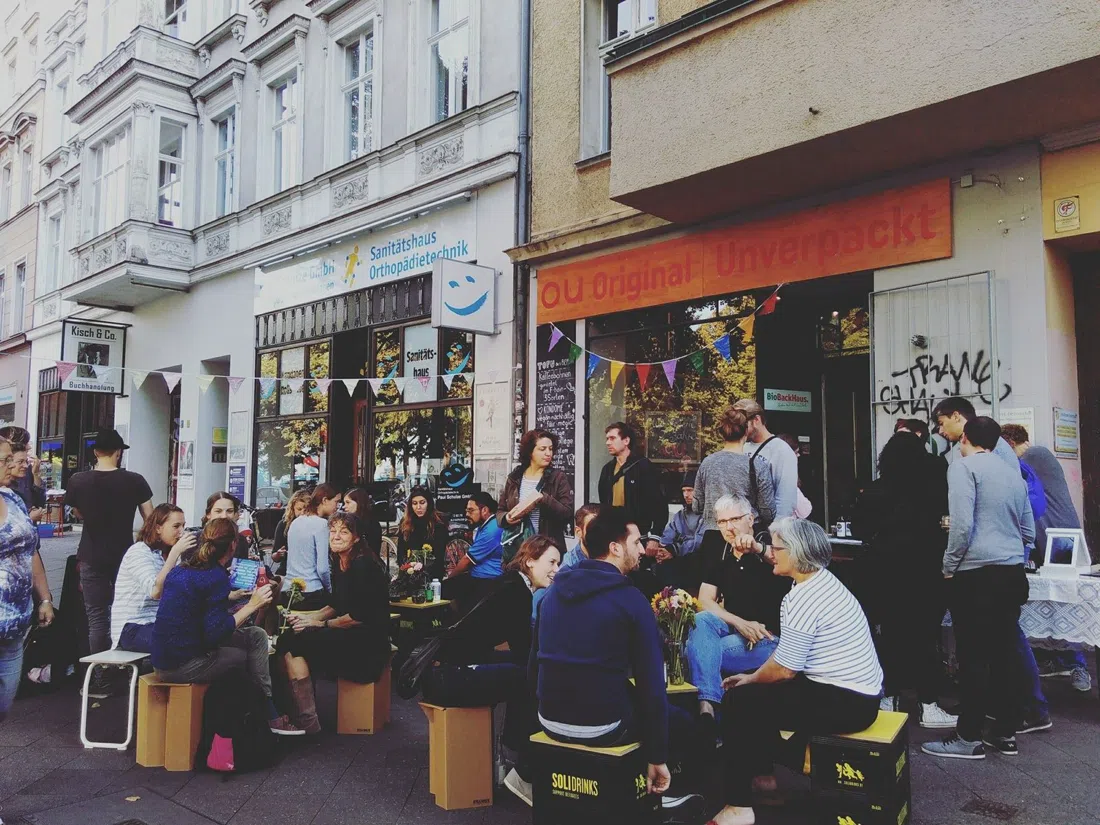
Two places extend the logic past drinks. Original Unverpackt (Kreuzberg) opened in 2014 as Germany's first package-free supermarket and still trades at the same address, Mon–Fri 10:00–20:00 and Sat 09:00–20:00. You bring the container, fill it, pay by weight at roughly supermarket-plus prices, and take the container home again: the deposit idea with the deposit removed, because you already own the vessel. It is a small shop, so send two or three people, not a group.
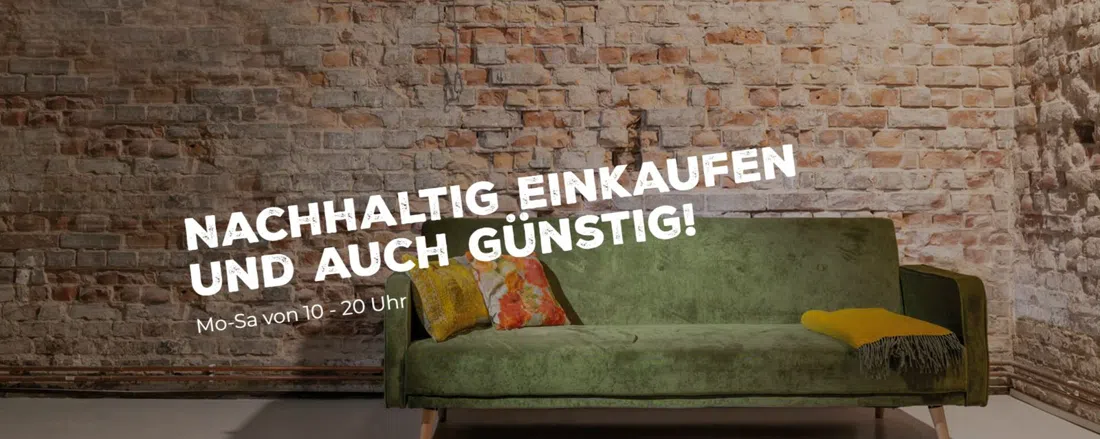
NochMall (Reinickendorf) is a second-hand department store run by BSR, the city's own waste utility, which is the point. Reuse here is municipal policy rather than street habit. Furniture is mostly under €100, everything else €1–50, and it opens Monday to Saturday, though reported hours swing between 10:00–18:00 and 10:00–20:00, so check the day you travel. It is a long ride from the centre and a genuine destination for anyone who scavenges design.
Practical notes
An AB ticket covers everything in this piece except the airport, which needs ABC. The U8 is the spine of the story, linking Hermannstrasse, Kottbusser Tor and the north in one line; the Ring (S41/S42) connects Neukölln, Gleisdreieck's neighbourhood and Wedding without going through the middle. Tempelhofer Feld and Klunkerkranich are a twenty-minute walk apart.
Carry cash. Spätis are frequently cash-only, several brewery gardens are cash-preferred, and flea-market stalls are cash-certain. Machine refunds come back as a paper voucher, not coins.
Beer gardens and the rooftop are an April-to-September proposition; the flea market is Sunday only; the market hall runs to its own calendar. Between October and March, build the day around Eschenbräu, Hops & Barley, Biererei and NochMall instead, and accept that the outdoor half of the circuit is dormant.
A full day of this is cheap by any European standard: €1.50–3 a Späti beer, €3.50–6 in a brewpub, €5–9 on the roof, free at the field and the market, plus €20–25 once if you take a brewery tour. Reckon on €45–70 a person for a generous day including one sit-down meal. For a base, put yourself in Neukölln, Kreuzberg or Friedrichshain and walk. Compare rates through Berlin hotel search rather than staying near the main station, which puts you twenty minutes from every venue here.
One courtesy before you go. If you are not going to return your bottles, leave them standing next to a bin, upright and together. Everyone here will understand exactly what you meant.